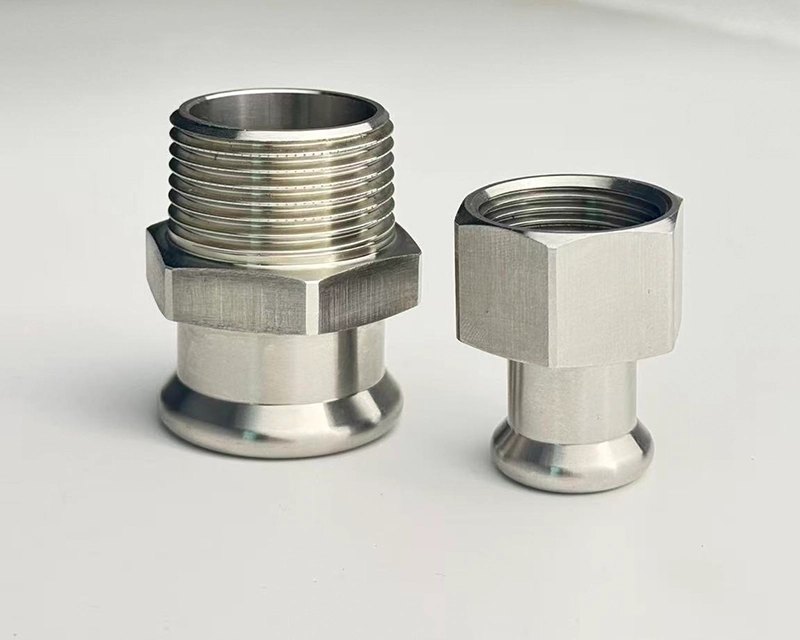
In the vast network of piping that delivers water, gas, and control to our modern world, attention often falls on the pipes themselves or the valves that command the flow. Yet, the true enablers of complex, functional, and reliable systems are the humble pipe fittings. These vital components are the connectors, directors, and adapters that transform straight lengths of pipe into purposeful circuits. Understanding their types, functions, and selection criteria is fundamental to any successful fluid or gas handling project.
The Core Functions: More Than Just Connecting
Fittings serve several critical purposes beyond simple connection:
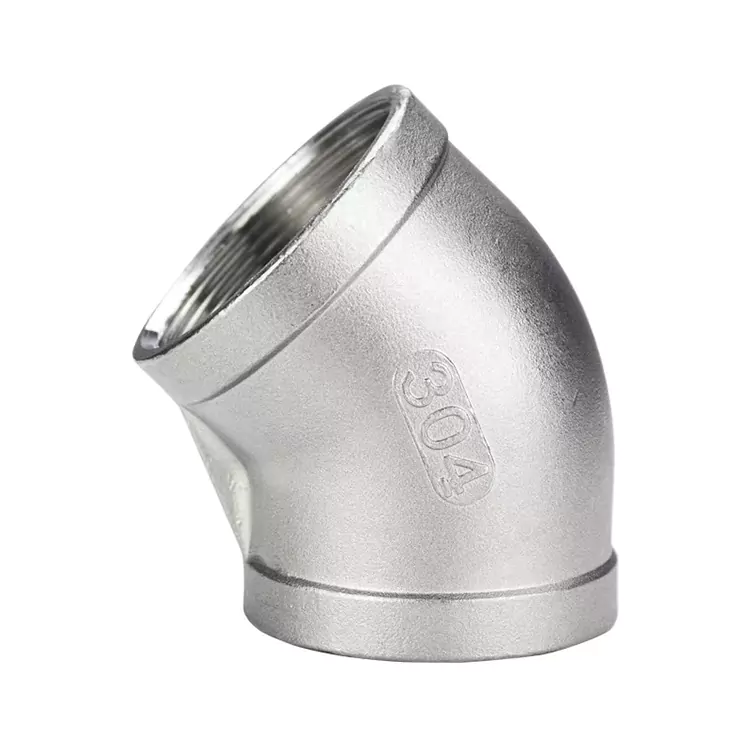
* Direction Change: Elbows (typically 45° or 90°) redirect piping around obstacles or along structural contours.
* Flow Division or Combination: Tees and Crosses split a single flow into multiple branches or combine multiple inflows into one.
* Size Adaptation: Reducers and Bushings connect pipes of different diameters seamlessly.
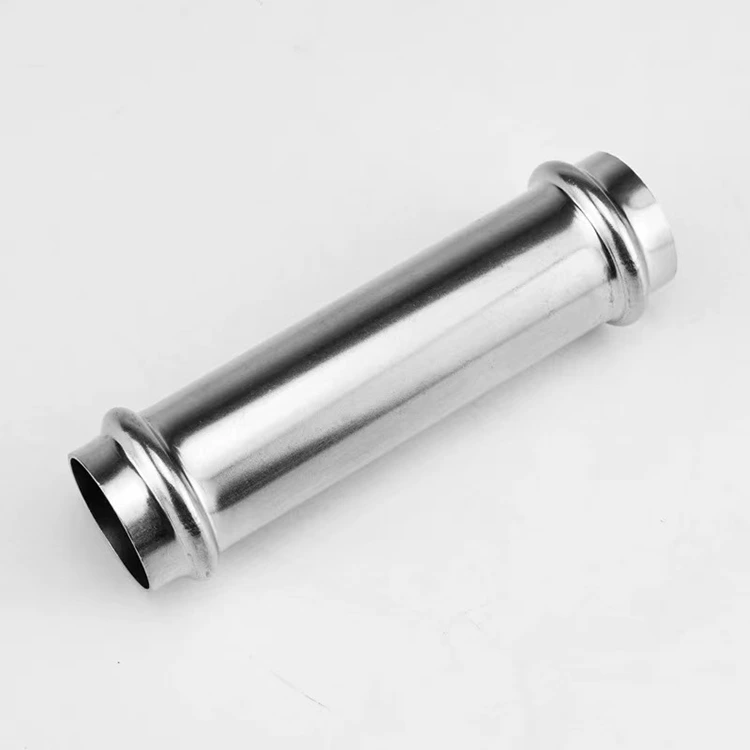
* Line Extension: Couplings join two pipes of the same size in a straight run.
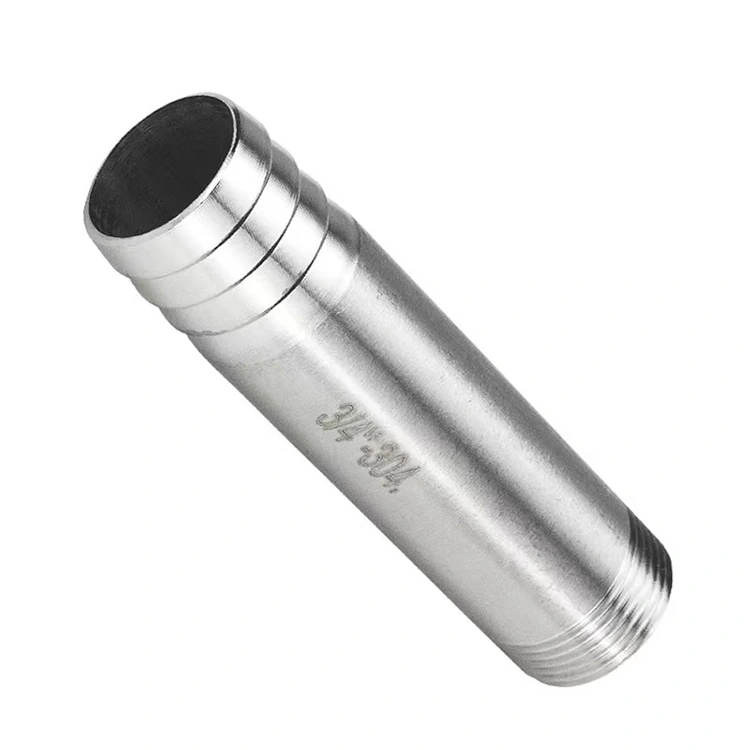
* Port Creation: Nipples and Saddles provide access points for taps, gauges, or auxiliary lines.
* Termination: Caps and Plugs seal the end of a pipe, either permanently or temporarily.
Key Attributes: Material, Connection, and Design
Choosing the right fitting hinges on three primary attributes:
1. Material: The fitting must be compatible with both the pipe material and the medium (fluid/gas) it will carry.
* Copper & Brass: Excellent for potable water, heating, and some gas applications. Resists corrosion and is easy to install via soldering or press-fit.
* Carbon Steel & Stainless Steel: The standard for industrial, high-pressure, and high-temperature applications (steam, oil, chemicals). Offers superior strength. Stainless provides enhanced corrosion resistance.
* PVC, CPVC, and PEX: Dominant in modern plumbing, irrigation, and low-pressure chemical lines. Lightweight, corrosion-proof, and often use solvent welding (PVC) or press/crimp (PEX) connections.
* Malleable Iron: Known for its toughness in threaded configurations, commonly used in heavy-duty gas and hydraulic lines.
2. Connection Method: This defines how the fitting interfaces with the pipe.
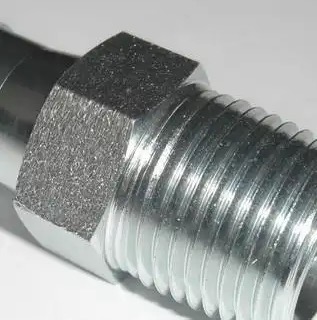
* Threaded (Screwed): The classic, versatile method using tapered (NPT) threads. Ideal for maintenance-heavy systems, field modifications, and sturdy connections where disassembly may be needed. Requires sealant for a leak-proof joint.
* Soldered/Brazed (Socket Weld): Primarily for copper and steel. Creates a permanent, smooth, and very reliable joint by melting a filler metal into the gap between the fitting socket and pipe. Essential for high-integrity plumbing and critical process lines.
* Press-Fit: A modern method using specialized tools to crimp a fitting with an internal O-ring onto a pipe. Offers a fast, clean, and highly reliable connection without heat or threads. Gaining rapid adoption in commercial plumbing and hydronic systems.
* Push-to-Connect: The simplest installation method for temporary or accessible lines (e.g., compressed air, instrumentation). A collet and O-ring mechanism allows for tool-free connection and release.
* Solvent Weld: Used for plastic (PVC/CPVC) systems. A chemical solvent melts and fuses the pipe and fitting into a single, monolithic piece.
3. Pressure Rating & Standards: Pipe fittings are manufactured to specific pressure classes (e.g., Schedule 40, 80, Class 150, 300) and must meet industry standards (ASTM, ASME, EN). Selecting a fitting with a pressure rating equal to or exceeding the system's maximum operating pressure is non-negotiable for safety.
Selection Guide: Matching the Fitting to the Task
A logical selection process ensures system integrity:
1. Define the Service: What fluid or gas? At what temperature and pressure? Is it corrosive? (e.g., Hot potable water, 80°C, 6 bar).
2. Choose the Pipe Material: Based on service conditions and budget (e.g., Copper).
3. Select the Connection Method: Balance performance, install skill, and future access needs (e.g., Press-fit for speed and reliability).
4. Specify the Fitting Type & Size: Determine the required function (e.g., 90° elbow, 22mm x 22mm).
5. Verify Compatibility: Ensure the fitting material, sealing method, and pressure rating are fully compatible with the chosen pipe and system parameters.
Conclusion: The Foundation of System Integrity
Pipe fittings are the critical punctuation in the language of piping systems. Their correct selection and installation form the foundation of a system's longevity, safety, and efficiency. While they may operate out of sight, specifying high-quality, appropriate fittings is one of the most impactful decisions an engineer, contractor, or installer can make. In the intricate dance of fluid dynamics, these components are the silent, steadfast partners ensuring everything flows as designed.
We use cookies to offer you a better browsing experience, analyze site traffic and personalize content. By using this site, you agree to our use of cookies.Privacy Policy